Table of Content
- How to Delete Screen Time Data on iPhone | Refresh Screen Time on Your iPhone
- How to quickly switch to open apps from the Home screen
- How to Automatically Change Home Screen Pages With Focus
- Change where new apps get downloaded
- Already know how to navigate the Home screen but looking to learn more?
- How to add widgets to your iPad Home Screen
- Use widget stacks
Launching an app, going back to the Home screen, launching another app, going back to the Home screen, re-launching the first app … it can be tiresome. That's why your iPhone and iPad offer a faster way to jump between recently used apps. Swipe up from the bottom of the screen to unlock. Press to wake your device or put it to sleep. Press and hold the top button to activate Siri. If your iPad has Touch ID, use the top button tounlock your iPad or make purchases using Touch ID.
Tap the delete button on a widget to remove it from the stack. A Smart Stack is an automatically selected collection of widgets that displays information based on factors like your location, activity, or time. The widgets in a Smart Stack rotate throughout the day to show the most relevant information.
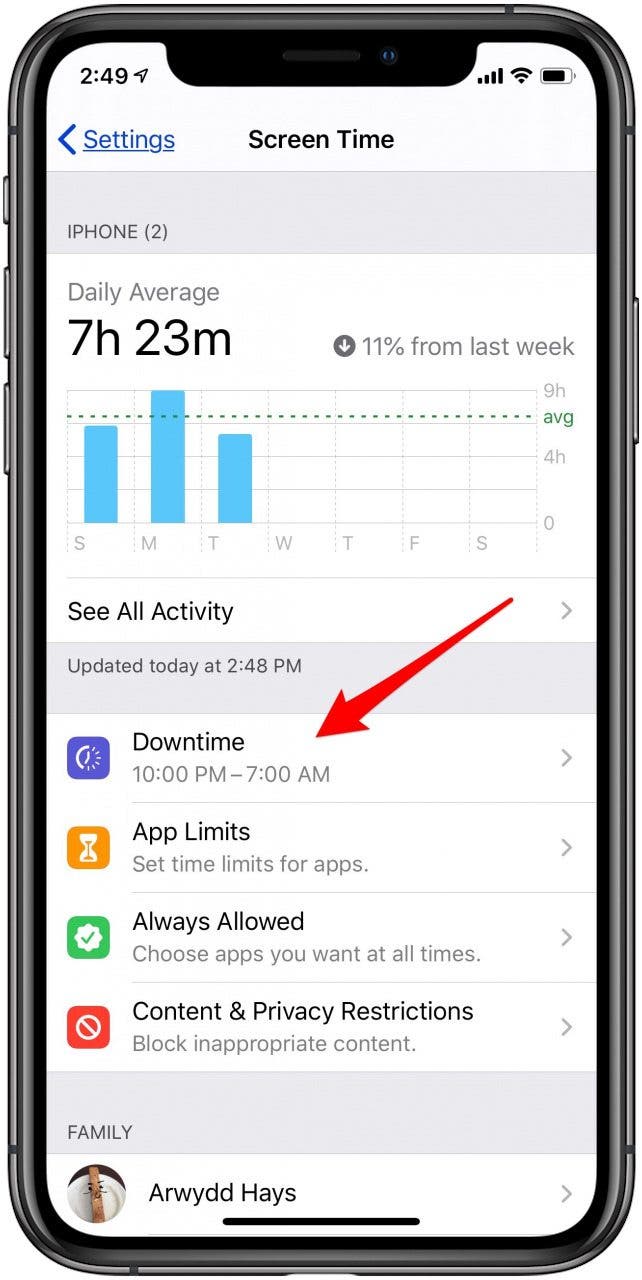
How to Delete Screen Time Data on iPhone | Refresh Screen Time on Your iPhone
The iPhone has a similar feature, and newer iPad models are a bit different as well. You can view our portrait orientation lock button tutorial to find out more. We will help you, irrespective of your technical knowledge and understanding of how to delete screen time data on iPhone. You will find the detailed instructions underlying in the article, which will guide you step by step to know exactly how to delete screen time data on iPhone. Since you have an iPhone and want to get rid of it, I suggest you do not temper with its settings until you get all available options here on board. The steps below will assume that the portrait orientation lock is currently enabled on your iPad.

You need to tap the App store icon on your iPad in order to download and install apps. To unhide a page, repeat the steps above. Then you can use the App Library to quickly find apps hidden on different pages. Today View widgets are combined with Siri recommendations, and you can access them in the same way from everywhere, including the Home screen. Click the Home button to go to the main Home page.
How to quickly switch to open apps from the Home screen
Want to add some functionality to your iPad Home Screen? Introduced with iPadOS 15, iPad users have the ability to add Home Screen widgets similar to those on iPhone. You’re not limited to the Today View for widgets. Learn how touse widgets on your iPhone and iPod touch.
Or swipe up on Face ID-based devices. Swipe left or right to browse apps on other Home Screen pages. Now that you’re on the App Library on your iPhone/iPad, you can perform a bunch of different operations here.
How to Automatically Change Home Screen Pages With Focus
If you’ve got everything you need, follow the steps below to learn how to put your iPad in recovery mode. Widget stacks combine several widgets into one. You can scroll vertically through the widgets in a stack, or you can turn on Smart Rotate to let iPadOS show you relevant widgets automatically. For example, you might see Calendar during the day to show your upcoming events, and Maps in the evening to show your commute time. Your iPhone or iPad has a powerful feature called Focus. This feature basically lets you create different modes for Do Not Disturb.
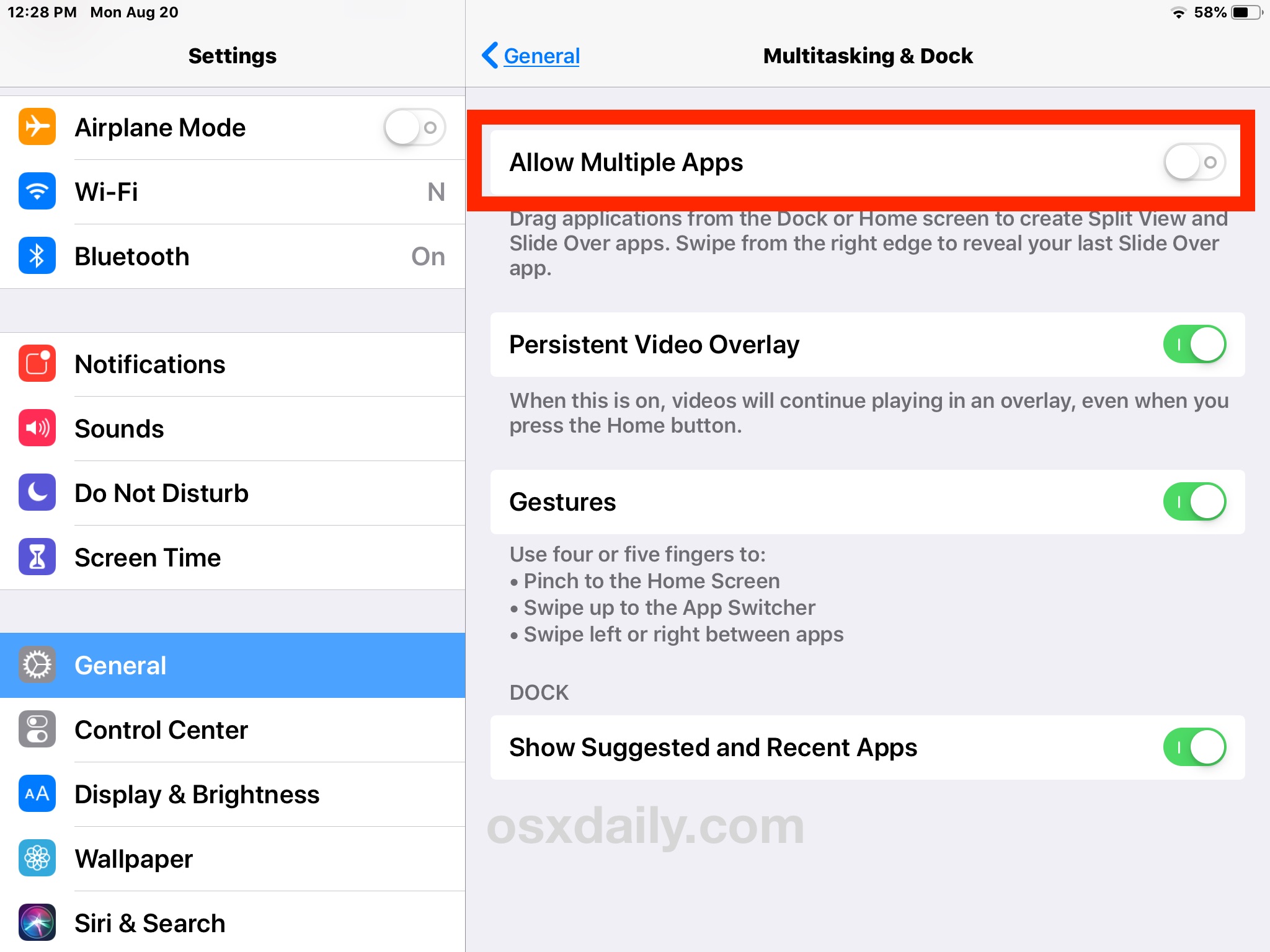
Both actions will make all of your app icons jiggle. You’ll then see the plus sign at the top left of your screen, so tap it to open the Widget Gallery. What Apple calls "iPad Multitasking" really refers to several different things. The first is multitouch navigation that lets you use four-finger gestures for fast app switching.
All you need to do is simply swipe left on the Home Screen till you get to the last page. This is your iPhone App Library, and you should see all your apps categorically organized into folders on this page. And if recovery mode didn’t help solve your software issues, consider using DFU mode with your iPad instead, which offers a deeper level of software reset for your device. Keep holding the buttons even after your iPad restarts to enter recovery mode. Here are some simple steps to follow if you need to know how to put your iPad in recovery mode to fix an issue with it. Or tap, hold, and select one of these options from the shortcut menu.
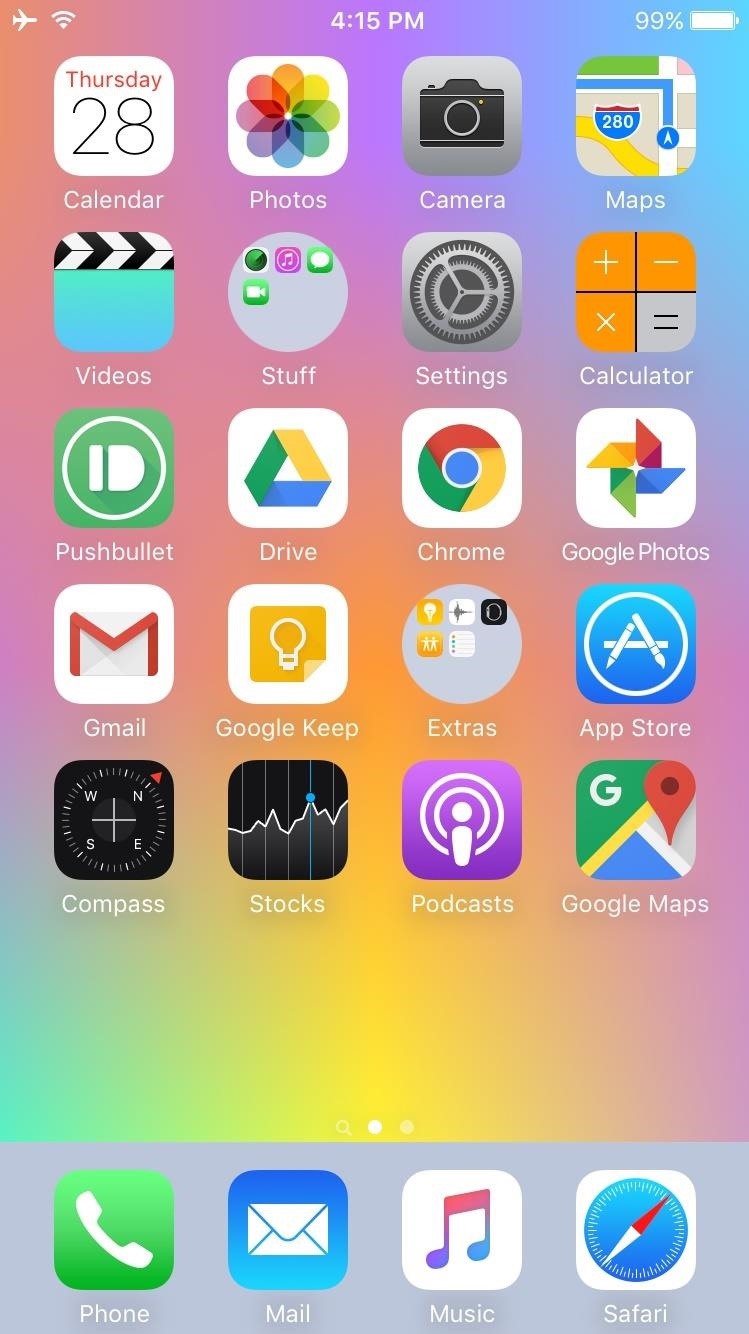
That is where you now add things to the Home Screen. If you did, connect your iPad to your computer and sync without that app selected under the Apps tab in the menu. Touch and hold the app icon, then tap Delete App. Scroll down the list of apps to find the one that you want to delete. Touch the top right edge of the screen where the battery, cellular, and wi-fi icons are.
Swipe left or right on the Smart Stack to choose a size, then tap Add Widget. Make your changes, then tap outside of the widget. Touch and hold a widget to open the quick actions menu. You can also drag a widget from your Home Screen into Today View. To see widgets in Today View, swipe to the right on your Lock Screen or on the first page of your Home Screen. If you don’t like what you did, you can always hide or delete a page and start over.

Touch and hold a widget until it jiggles, then move the widget to where you want it to go. As you move the widget, apps and other widgets on your Home Screen rearrange to make room for it. The widgets you selected appear in a section at the bottom of Today View.
Touch and hold an empty area on your Home Screen or in Today View until the apps and widgets jiggle. To delete a widget, touch and hold it, then tap Remove Widget. Many third-party apps also provide widgets. Widgets that have been updated for iPadOS 14 and later work the same as built-in iPad widgets. Pages that don’t have checkmarks below are hidden.

Press firmly on the Home screen icon you want to open quick actions for. If you’ve previously switched off Screen Time, you shouldn’t have to bother with any Screen Time data. As soon as you do that, the app will be hidden from the Home Screen. It will now appear on the App Library, and you can launch it or perform other operations on it, as you do with other App Library apps.
Due to inactivity, your session will end in approximately 2 minutes. Extend your session by clicking OK below. Scroll to the right in the pop-up window to see the available widget sizes and types.
On the far left side is the Search bar and a list of widgets; on the far right is the iPhone or iPad App Library. But all those screens in the middle are your Home Screen pages. Whether you're using 3D Touch or Haptic Touch, these actions act as shortcuts for the app.


No comments:
Post a Comment